Research & Exploration
Fit & Size Analysis
This project deeply integrates and investigates size and fit in the development of garments. For this project, I conducted an in-depth size analysis of competitors to understand their sizing systems and identify potential market opportunities.
Once I completed my analysis, I developed 3–4 test garments in my first look (technical rain gear) to refine the fit and ensure that all aspects of the garment pattern adhere to a comfortable fit that enhances performance.
I will review my original size analysis, my in-depth exploration of test garments and design philosophy, as well as various pattern features developed to ensure a proper fit.
In this size box analysis, I compared measurements from eight cycling brands to see how they size their bottoms for consumers. I also wanted to find out if these brands use real anthropometric (body measurement) data when creating their sizing systems.
To be a competitior in the activewear and outerwear space, you need to have a deep understanding of fit and garment construction to develop successful products. Great fit creates great products and therefore, a great reputation and sustainable competitive advantage.
Most of the brands follow the SizeUSA data trend line, but Ripton stands out as an outlier. Some brands don’t include full size boxes and only list one measurement per size, which is a flaw in their system. In mass production, you can’t make a separate garment for each individual size, you need a range that adjusts slightly for different consumers.
From this analysis, I knew I had to have a garment that can span a range of measurements (in this case, I created the test garments according to my body measurements) so implementing an adjustable waistband and using a stretch woven fabric is necessary to develop this product. If I were to manufacture this garment, I now have a resource I can show the manufacturer for a sizing system based of real anthropometric data.
The brand measurement data and model shown above were created with a deep understanding of AI, prompt engineering, and Perplexity.
You can follow these prompt chain here
Pattern Features for Fit & Performance Success
Articulated Sleeves + Knees + Legs
Shaped patterns to reflect the body's curves and postures when cycling, however, not too obstructive to wear off of the bike.
Specifically seen in the following parts of the body:
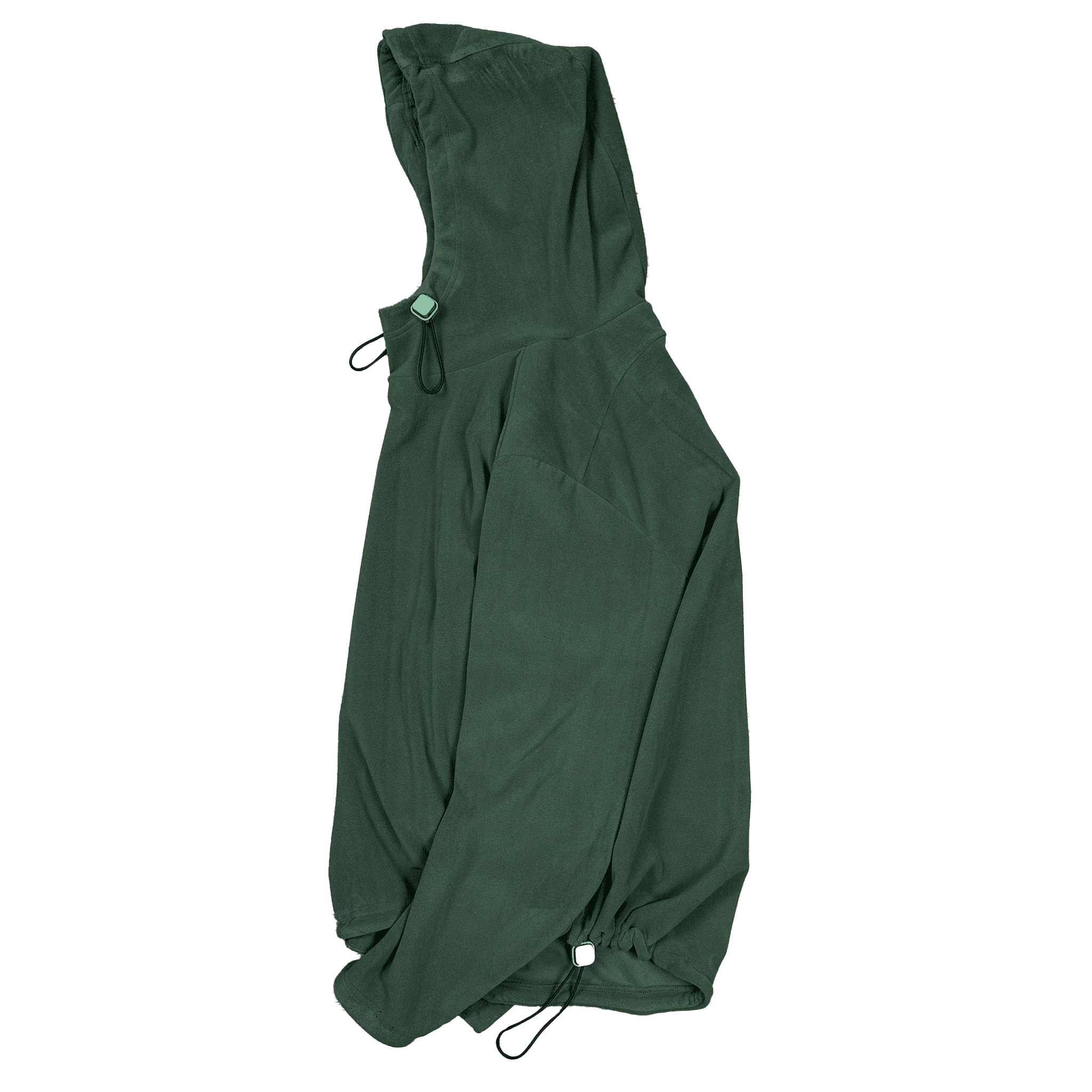
Arms, sleeves are slightly curved to mimic bent posture of arms when on a bike, as well as natural resting position of the arms
Legs, the entire side panel on the overpant is slightly bent to allow for movement when cycling
Knees, darts added to the knees to allow for more room and less tightness when legs are in cycling motion
Ease Implementation
Implementing ease in certain areas to allow for less tightness when cycling, creating more movement and less friction.
Adjustability
Elements of adjustability to account for different states of riding the bike, as well as life off of the bike
High Rise
Adding a higher rise improves comfort and waistband stability while biking, since the bent-forward position requires extra coverage and support.